TABLE OF CONTENTS
One call centers transmit locate requests to members in very different ways. What applies in Kentucky may be very different than Florida, or Alberta Canada. This document describes how One Call Centers transmit different types of locate requests and how DigTix can map different types of requests to a single set of priorities and easily manage the reception of tickets from dozens of one call centers, or more. These priorities are configurable by your organization to fit your internal needs and provide the best prioritization plan possible.
REQUEST TYPES
NOTE: "Request Types" are also referred to as "Ticket Types" in some states. The term "Request Type" is used throughout DigTix however this is interchangeable with "Ticket Type".
On every locate request originating from an 811 call center, you will find a request type. These request types can vary greatly from one call center to another. Some examples include:
- EMERGENCY (from Tennessee 811)
- 2FBD (from Louisiana 811)
- ROUTINE (from Missouri 811)
- Normal (from South Carolina 811)
- 1 (from Florida 811)
- Design (from Texas 811)
- DESIGNER (from Virginia 811)
These are just a few examples - there are hundreds more. This problem is further complicated due to differences in the raw formats of locate requests.
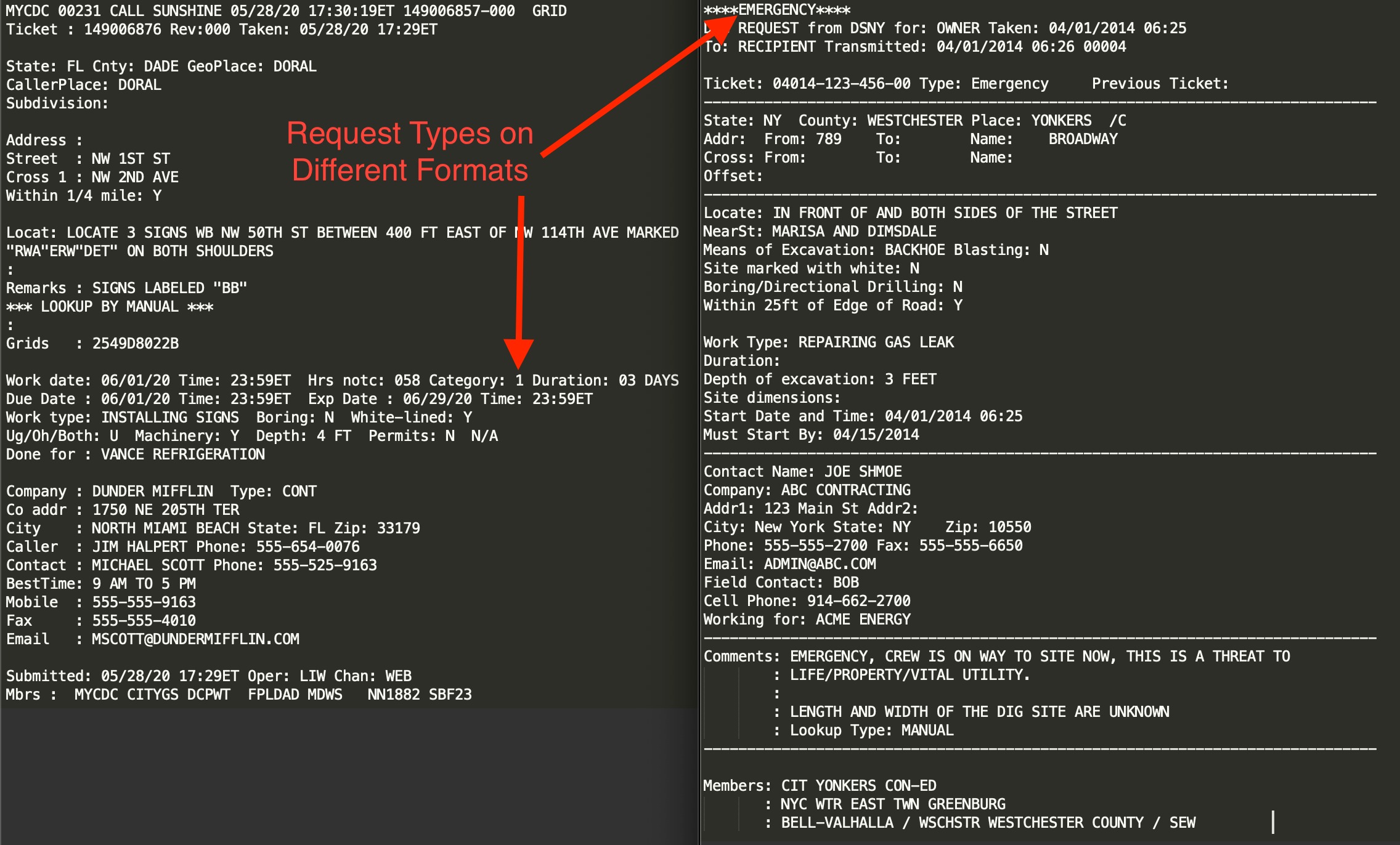
Figure 1: Two Locate Request Formats with Different Request Types
Directly managing so many request types from various ticket sources and formats would be very challenging. For example, how do you compare a request type of "1" from Florida to a request type of "2FBD" from Louisiana? Or a "FORE" request to a "2nd Notice" request?
The solution to this problem is to define a common set of configurable Internal Priorities within Digtix.
INTERNAL PRIORITIES
As the name implies, internal priorities are priorities that are internally defined by your organization. At a minimum, it is recommended to have at least four internal priorities: EMERGENCY, HIGH, NORMAL, and LOW. Additional priorities can be defined as needed within the "Internal Priorities" section of the DigTix Administration page.
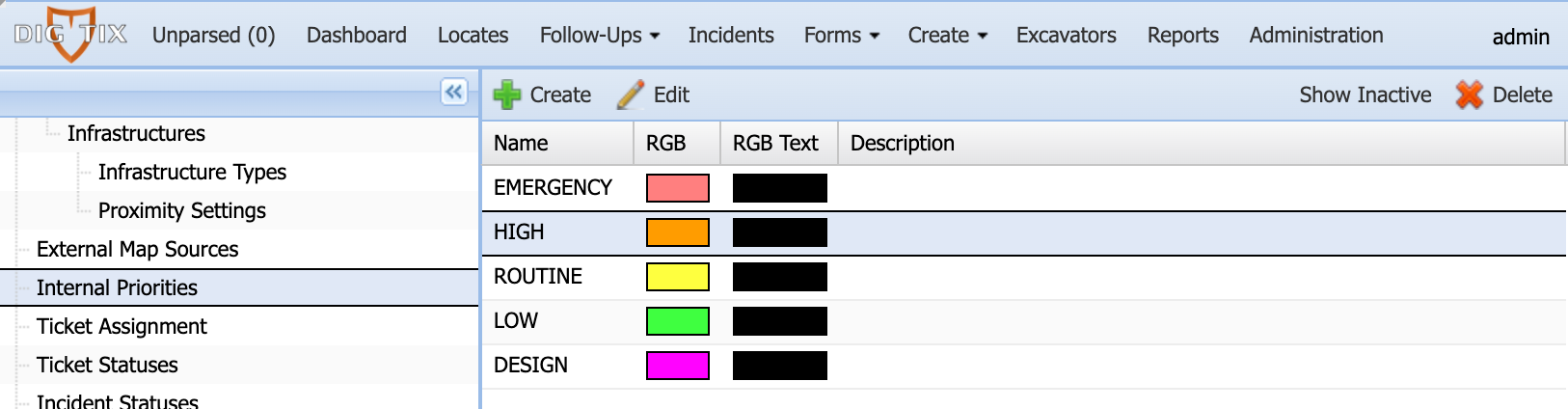
Figure 2: Internal Priority Configuration
Every Work Order within Digtix is assigned an internal priority, including locate requests, incidents, follow-ups, etc. The priority of locate requests received from call centers is determined by the mapping of each Request Type to an Internal Priority. This mapping can be configured at any time via the "OCC Priority Mappings" section of the Digtix Administration page.
NOTE: Internal Priorities are also used within automated ticket assignment rules, alerts, and more!
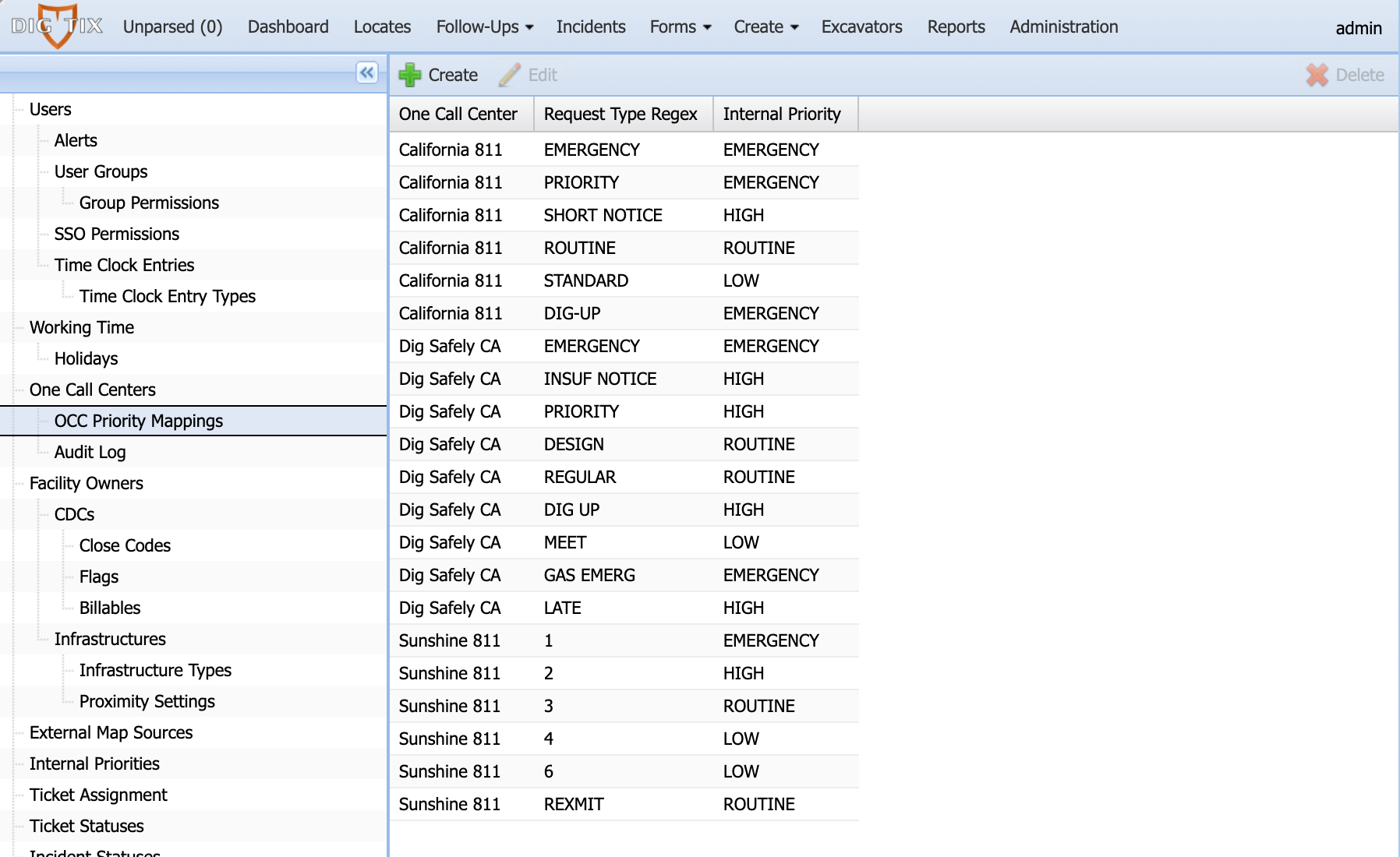
Figure 3: Call Center Request Type to DigTix Internal Priority Mappings
You can think of Request Types as a foreign language with each call center speaking their own foreign language. The mapping of the call centers' Request Types to Digtix's Internal Priorities is the translation of a foreign language into your organization's common language. This common set of priorities can be fine-tuned to ensure that each locate request receives the attention it deserves no matter where the ticket originated from!
In order to map a new request type to an internal priority within Digtix, navigate to the "OCC Priority Mappings" section of the Administration page and click on the "Create" button in the top left corner of the list. This will allow you to configure a new mapping. Once the input fields are configured, click on the "Submit" button.
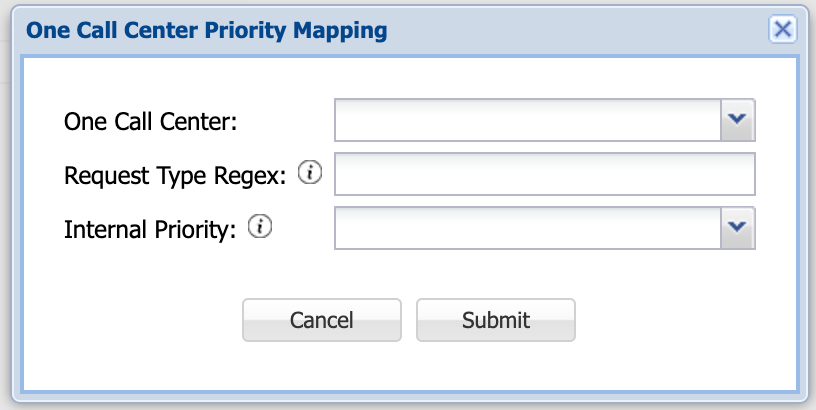
Figure 4: Configuring a new OCC Priority Mapping
Both the Request Type and Internal Priority can be useful when it comes to reporting and analytics purposes. Throughout Digtix you will find both fields displayed. This includes the ticket grid, various data exports, and more.
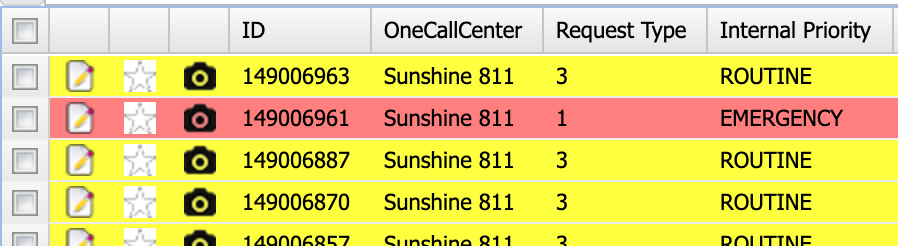
Figure 5: Request Type and Internal Priority Columns in the Ticket Grid
Was this article helpful?
That’s Great!
Thank you for your feedback
Sorry! We couldn't be helpful
Thank you for your feedback
Feedback sent
We appreciate your effort and will try to fix the article